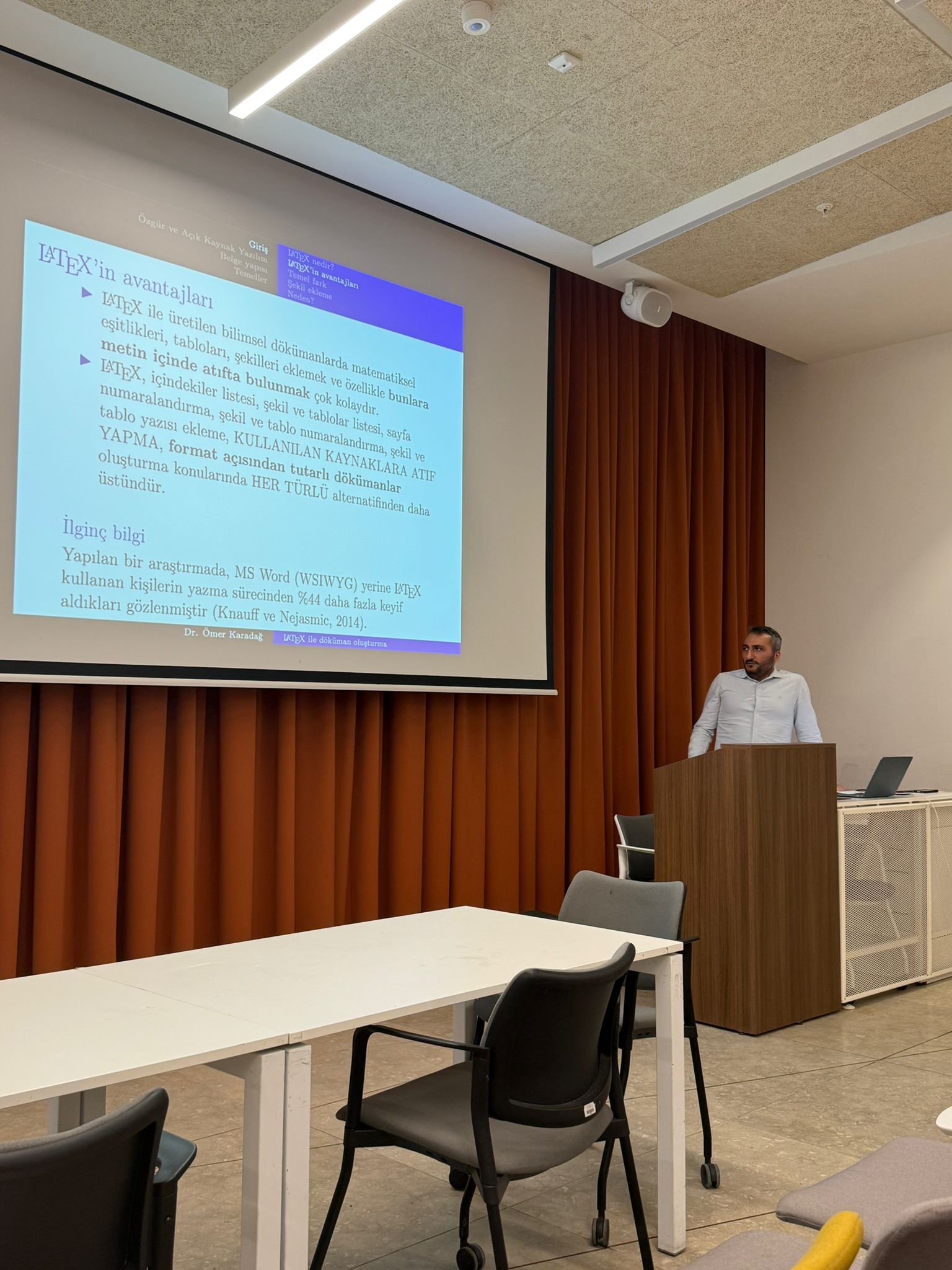
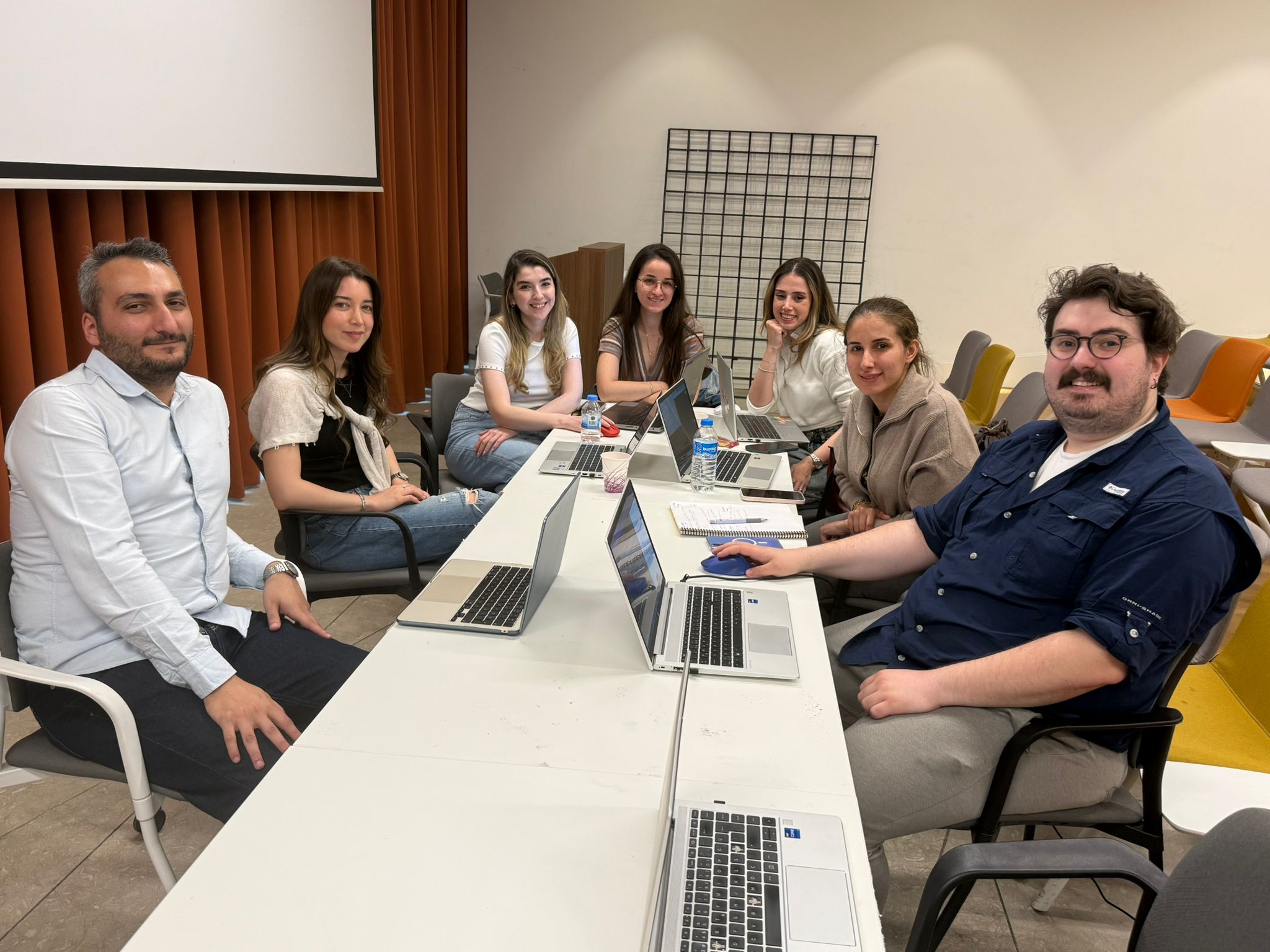
A structured workshop held for graduate students and faculty members on document preparation, bibliography management, and complex formatting.
Last updated: | You are visitor #
This is not a physics course. Instead, fundamental mechanical concepts are explored to develop an understanding about structures. Drawing and analyzing free-body diagrams are thoroughly used. Supports, support reactions, and the balance between applied forces and reactions are systematically examined. From there, arches, truss analysis, and internal force diagrams, alongside the stress and deflection in beams, are mapped out. Ultimately, these concepts cultivate the foundational intuition required to understand why a building stands.
In this course, the theory is examined to uncover exactly why buildings stand up, or why they fall. Buildings are conceptually stripped down to their bones to address key design questions: What structural realities must be considered during the architectural design process? Which internal forces are the most critical to tackle for each structural member, and how are they overcome? The fundamentals of earthquake-resistant structural systems are also covered. Ultimately, the ability to design with confidence, rather than compromise, is cultivated.
This course steps away from the whiteboard and focuses on the tactile reality of structural engineering. Through selected deep-dive discussions, hands-on model making, and physical model testing, you will get to see structural concepts in action. It’s a hands-on approach designed to help you develop a physical, intuitive feel for how buildings carry loads.
This course covers the practical behavior of structural concrete over a building's lifespan. We will explore how concrete mix influences properties and long-term durability, how the material handles stress, why it cracks, and how it interacts with reinforcement.
My teaching is mainly focused on undergraduate architecture students, though my approach is equally shaped by research and interdisciplinary collaboration. I want students to see technical knowledge not as a separate requirement, but as a meaningful part of design thinking. In my courses, success is not defined by memorization; it is reflected in a student’s ability to ask better questions, test ideas critically, and make informed design decisions grounded in structural logic, material behavior, and real-world constraints. My aim is to help students understand technical principles and how knowledge is produced, evaluated and applied in professional and academic settings.
You can access the tools I've made by following the link.
A structured workshop held for graduate students and faculty members on document preparation, bibliography management, and complex formatting.
Last updated: | You are visitor #